His life · 1909–1975
A life spent looking at the land.
Painter, muralist, lithographer, cartographer, exhibit designer and museum director.
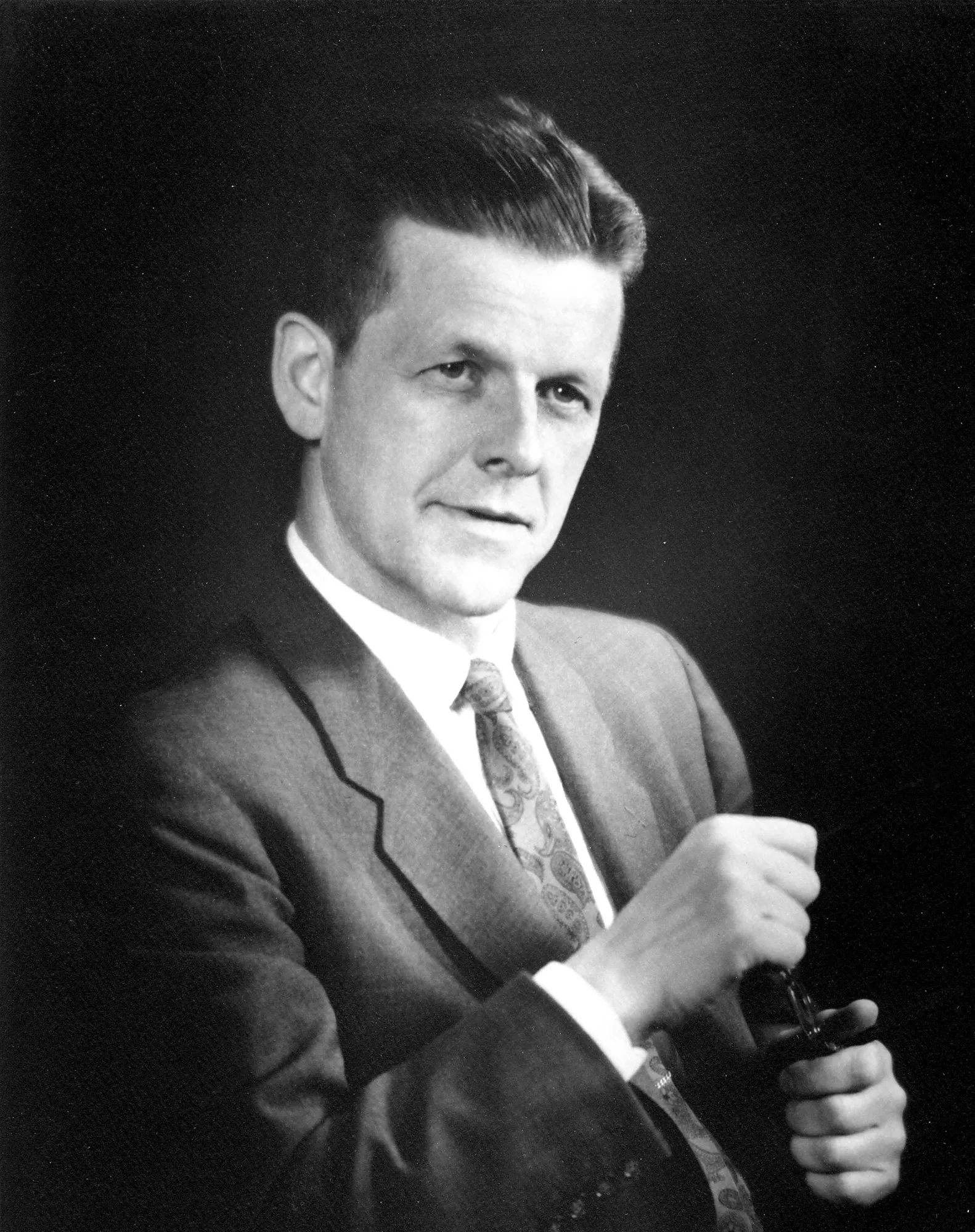
Eugene Kingman.
Kingman painted outdoors, from life, and he painted the country as it was being built: farms, rail lines, grain elevators, dams.
Sources place him among the American Regionalists. In his 1954 essay "Painters of the Plains," written for American Heritage, he wrote about Thomas Hart Benton, Grant Wood and John Steuart Curry turning to the Midwest for their subjects. He spent most of his working life there.
He kept a file card for nearly every work he made, from about 1927 on, with its catalogue number, title, date, place, size, and where it went. Those cards are the backbone of the collection's records today. See the cards.
-
1909–1928
Providence, Rhode Island
A boy who drew
Eugene Kingman was born in Providence on November 10, 1909. He drew trains, ships and engines from the age of three, kept snakes and owls, and mounted his own animal specimens.
He studied at Moses Brown School, took Saturday classes at the Rhode Island School of Design, and studied at Harvard's Fogg Art Museum. In March 1929, at 19, his painting Jaffrey Farm won the Providence Art Club's prize for the best painting by a Rhode Island artist under 35.
-
1928–1935
Yale and the national parks
Painting the parks
Kingman entered Yale in 1928 and earned a BA in 1932 and a BFA in mural painting in 1935. He was art editor of The Yale Record.
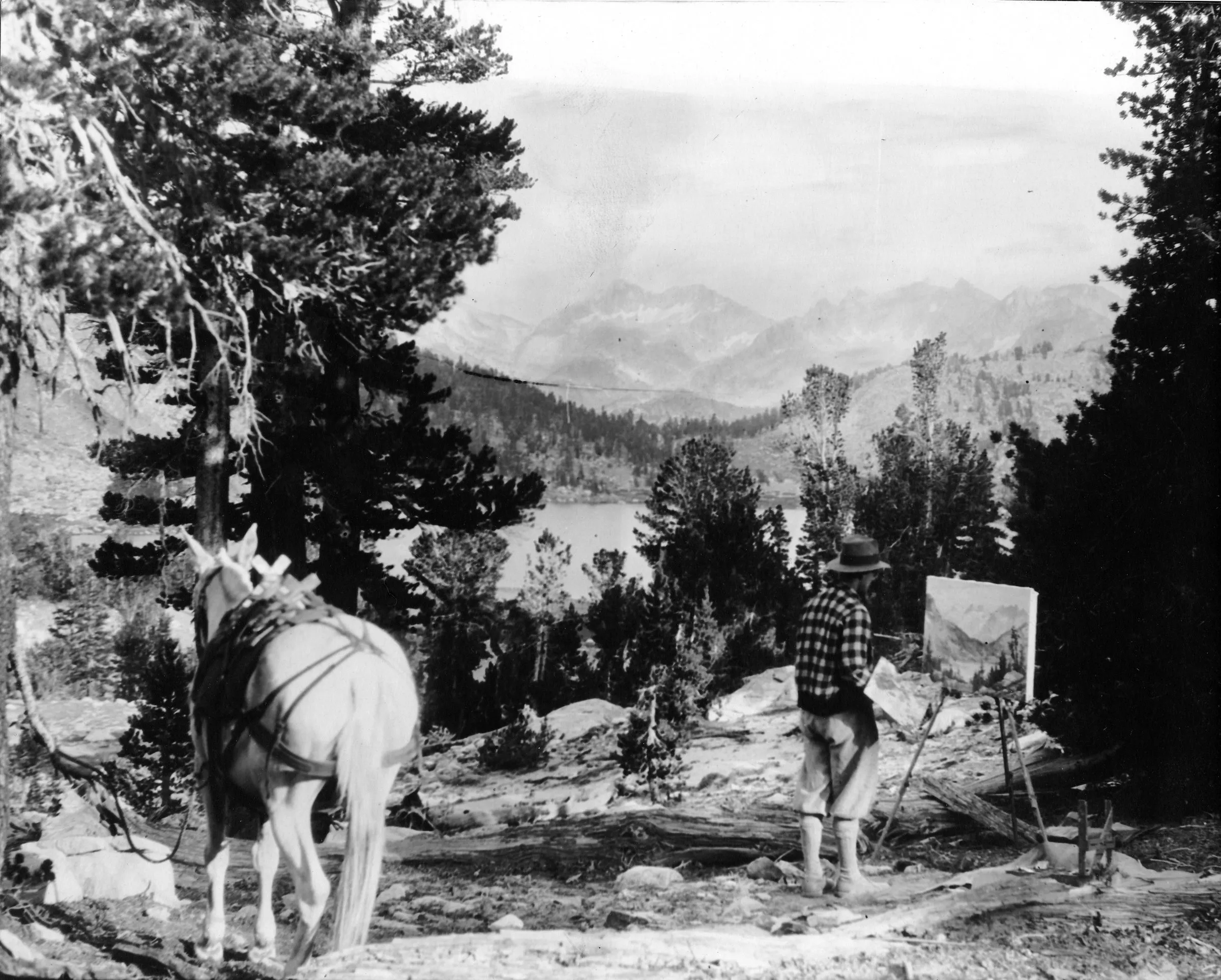
In the summer of 1930 he traveled to about ten national parks and made a High Sierra pack trip with the geographer Wallace W. Atwood Sr., who became his mentor. The paintings from those trips led to a commission: in January 1931 the National Park Service chose him, at 21, to paint seven national parks for the Paris Exposition.
In late 1935 he painted two geological series, showing how Crater Lake and Yosemite Valley were formed. Thirteen of them were published in the March 1937 National Geographic.
Kingman painting on a High Sierra ridge, with his pack horse. -
1935–1939
RISD, Mexico and Mesa Verde
Murals and the Southwest
Kingman taught mural painting at RISD from 1935 to 1939. He won three Treasury Section competitions for post office murals: Hyattsville, Maryland (1937), Kemmerer, Wyoming (1938) and East Providence, Rhode Island (1939).
In 1936 he spent about six weeks in Mexico. The trip gave him Mexican Market and the lithograph The Feathered Serpent.
He painted at Mesa Verde in the summers of 1937 and 1938. There, in July 1937, he met Mary Elizabeth "Betty" Yelm, an anthropologist on the park's naturalist staff. They married in June 1939. Her story.
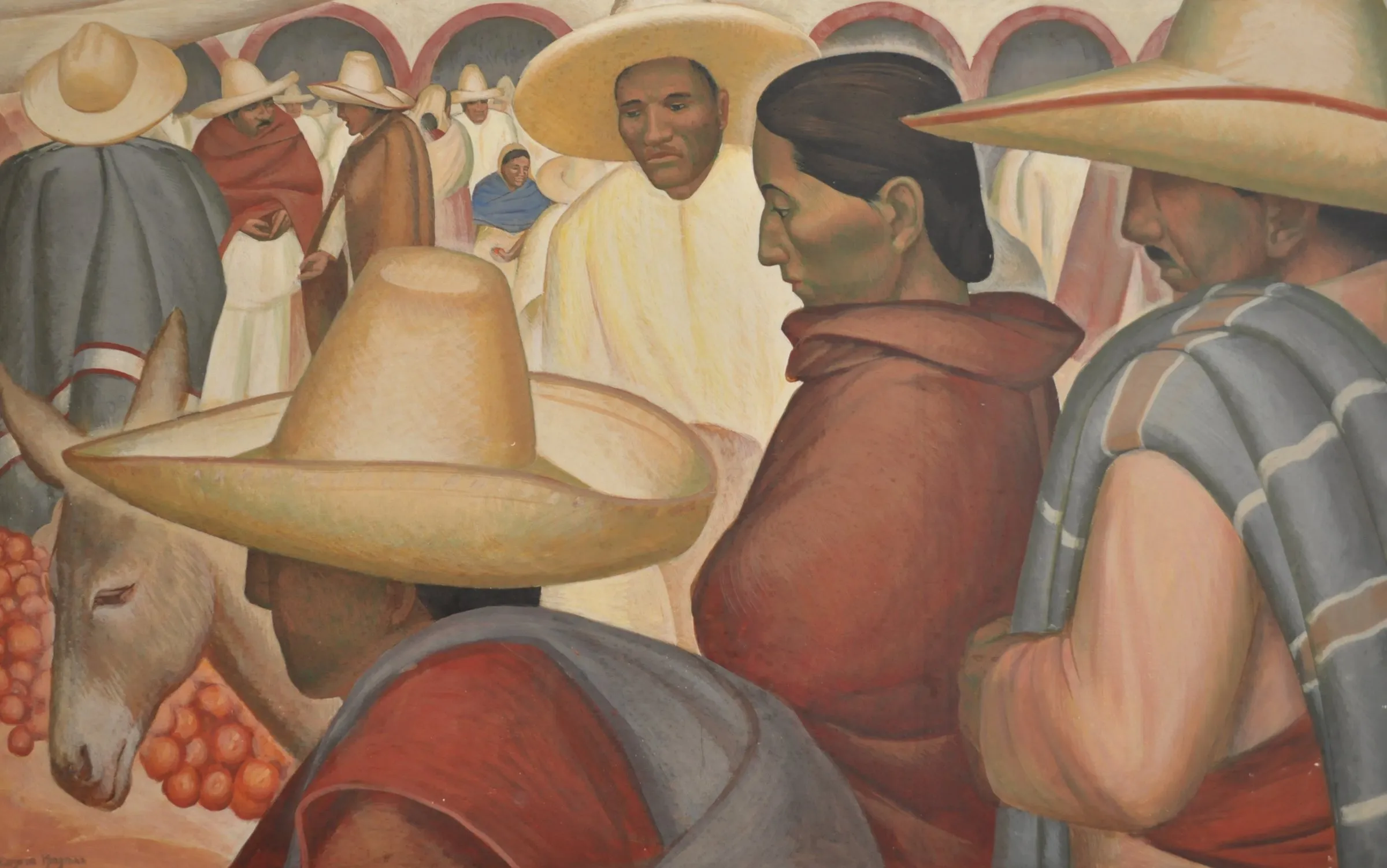
Mexican Market, 1937, painted from sketches made on his 1936 trip. -
1939–1945
Tulsa and Washington
A museum, then the war
In 1939 Kingman became the first director of the Philbrook Art Center in Tulsa, which opened that October. He and Betty ran it together. He organized Oklahoma's first national lithography show and printed lithographs in his own studio.
In 1942 he joined the Office of Strategic Services as a cartographer. He was inducted into the Army in 1943 and worked in the OSS Map Division, making maps for the Joint Chiefs, the Army and the Navy. Their first daughter, Mixie, was born in Washington in 1943.
-
1946–1969
Omaha, Nebraska
The Joslyn years
Kingman joined the Joslyn Art Museum in 1946 and was its director from 1947 to 1969. Exhibit design became his signature. He organized the Thomas Hart Benton retrospective in 1951 and helped bring the Maximilian-Bodmer collection to Omaha. He consulted for the Smithsonian on the Museum of History and Technology (1957–1959) and the conversion of the Patent Office Building (1959–1961), and in 1968 Creighton University gave him an honorary Doctor of Fine Arts.
In 1948 he painted the world map mural for the lobby of The New York Times, from cartographer Richard Edes Harrison's designs.
Through these years he painted Nebraska: cornfields, harvests, grain elevators, the Platte and Missouri rivers, and the weather moving across them. Summers in Jaffrey, New Hampshire gave him a second subject. In 1968 he painted the six Missouri River mainstem dams for the U.S. Army Corps of Engineers.
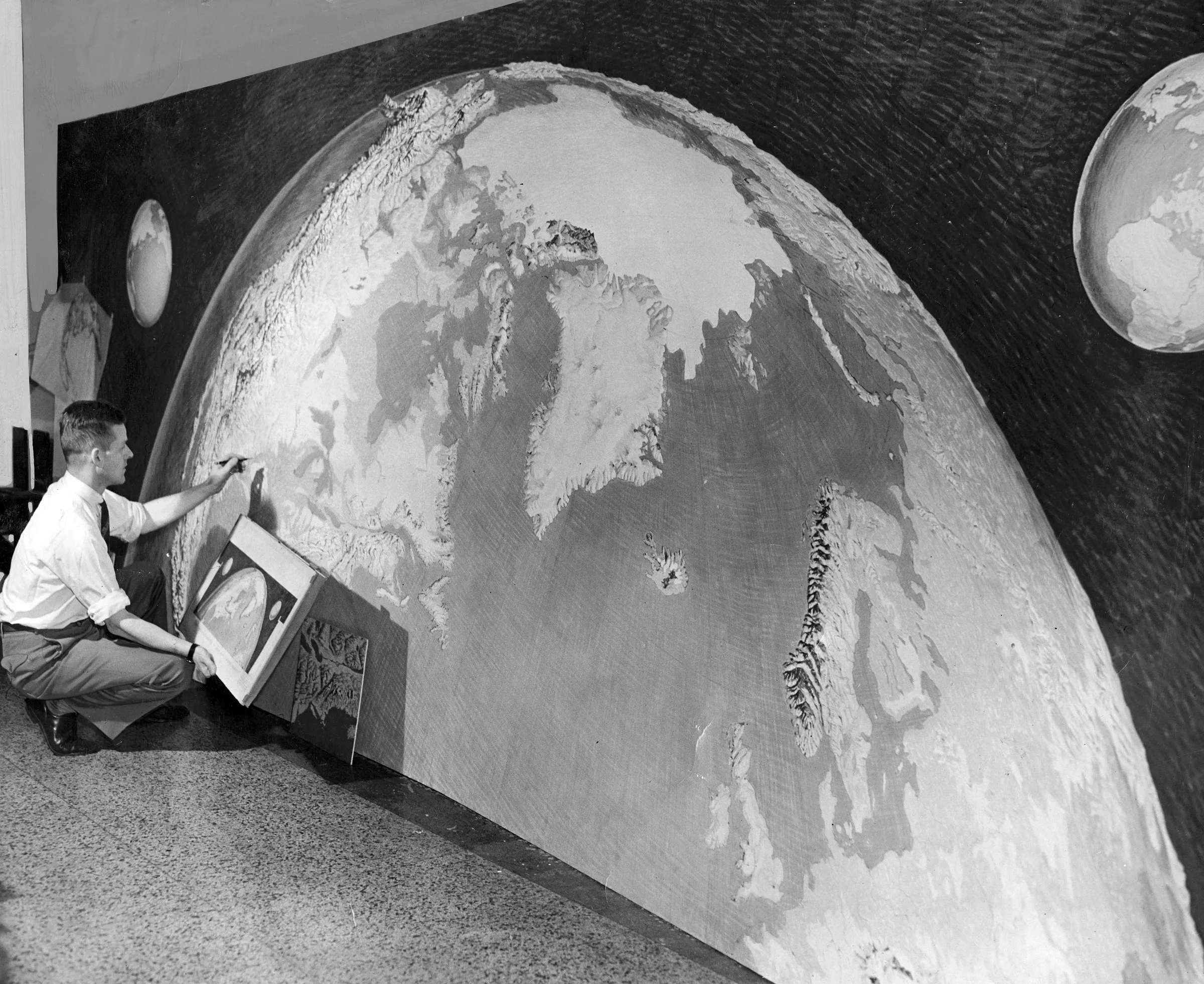
Kingman at work on The New York Times mural, 1948. Omaha World-Herald photograph. -
1969–1975
Lubbock, Texas
The Llano Estacado
In 1969 Kingman moved to Lubbock to direct the Museum of Texas Tech University and design its exhibits. In April 1970 he painted twelve works on the Bureau of Reclamation's Arizona and Lake Mead projects.
In 1973 his South Plains Sentinel won Best in Show at the Texas Fine Arts Association's national annual. He painted until about a month before he died in Lubbock on February 20, 1975. The Joslyn held a memorial exhibition that spring.
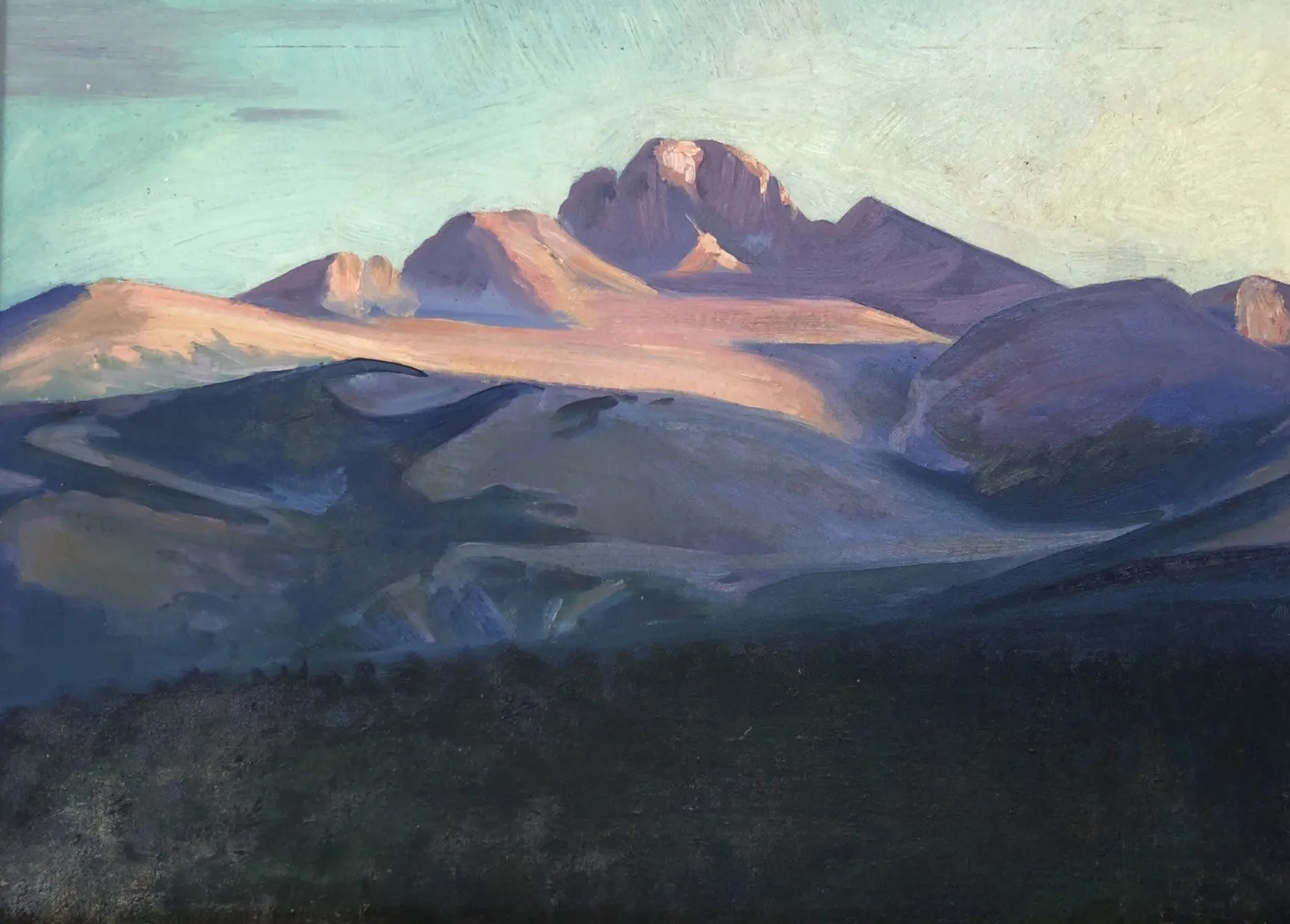
Southwest Mountain Peak, about 1970.
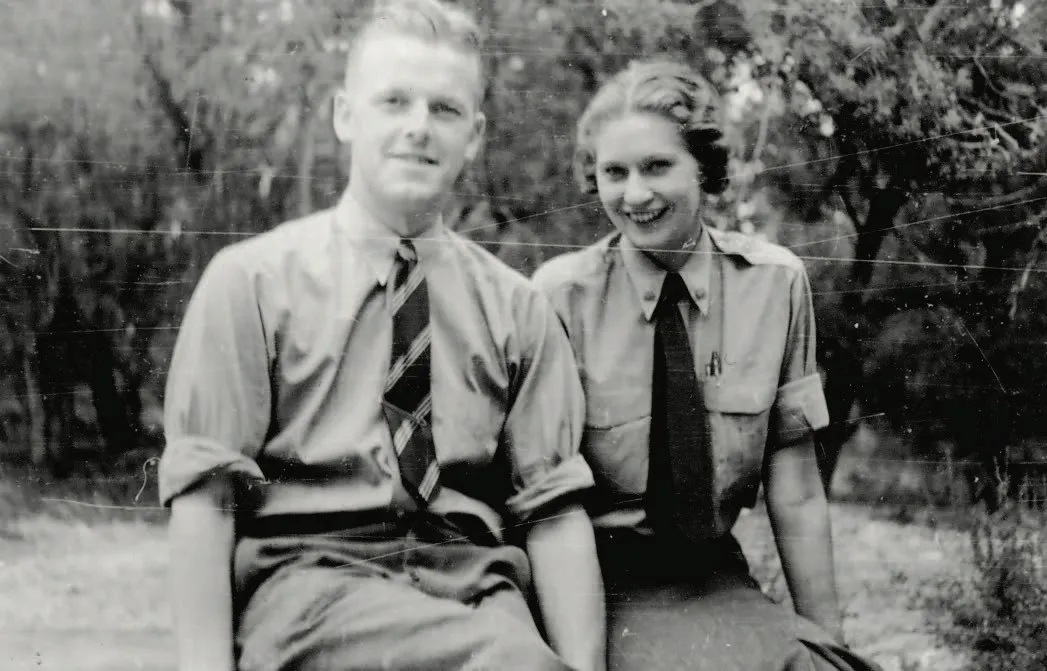
1911–2005
Elizabeth Yelm Kingman.
Mary Elizabeth “Betty” Yelm was born in Lafayette, Indiana, in 1911 and grew up in Denver, spending summers at her family's cabin in Rocky Mountain National Park. She studied anthropology at the University of Denver and took her master's in 1935 with an archaeological survey of the park's eastern foothills.
From 1934 to 1938 she worked five summers at Mesa Verde National Park as museum assistant on the ranger-naturalist staff, one of the early women in the Park Service there. She ran the museum and its library, gave the evening campfire talks and by 1937 led about half the tours of the cliff dwellings.
Kingman came to paint at Mesa Verde that summer. On their first date, in July 1937, he painted Mancos Canyon at dusk, and she kept the painting all her life. They married in Denver on June 10, 1939.
She was his partner in museum work. At the Philbrook in Tulsa the press called her associate director, and she installed its Native American collections while he designed the displays. A Tulsa critic wrote in 1942 that “Eugene Kingman is not one but two.” In Omaha she worked on the Joslyn's Native American galleries and led its Museum Education Committee, and she kept his catalogue cards, his letters and his commission records.
After his death in 1975 she moved to Santa Fe. She was librarian of the School of American Research from 1978 to 1986 and then a research associate there. In 1984 she lent his papers to the Archives of American Art for microfilming, and for thirty years she kept his paintings, prints and records together. She died in Santa Fe on December 14, 2005. Her daughters carried the collection on.
Further reading
Books about Kingman.
-
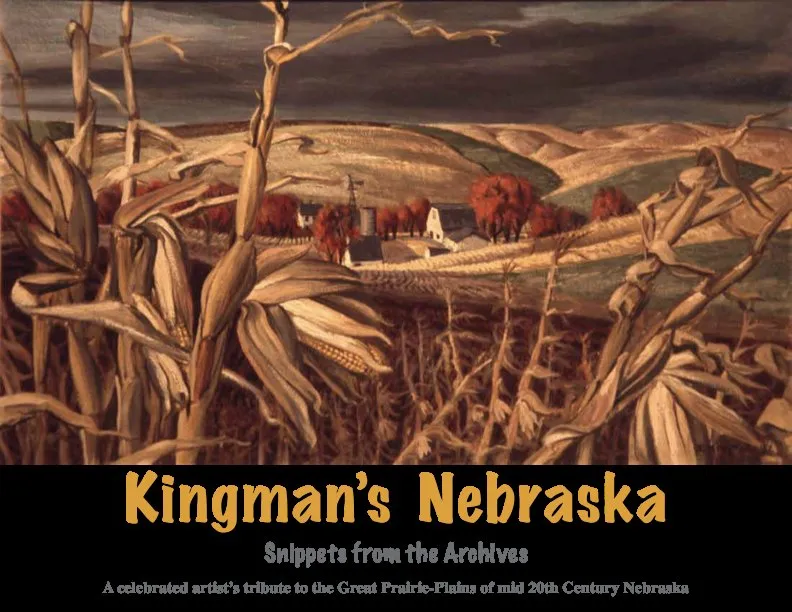
Kingman's Nebraska: Snippets from the Archives
Elizabeth A. Kingman, 2014
A daughter's tribute to his paintings of the prairie, with 43 works captioned by year, size and owner.
Read the PDF →
-
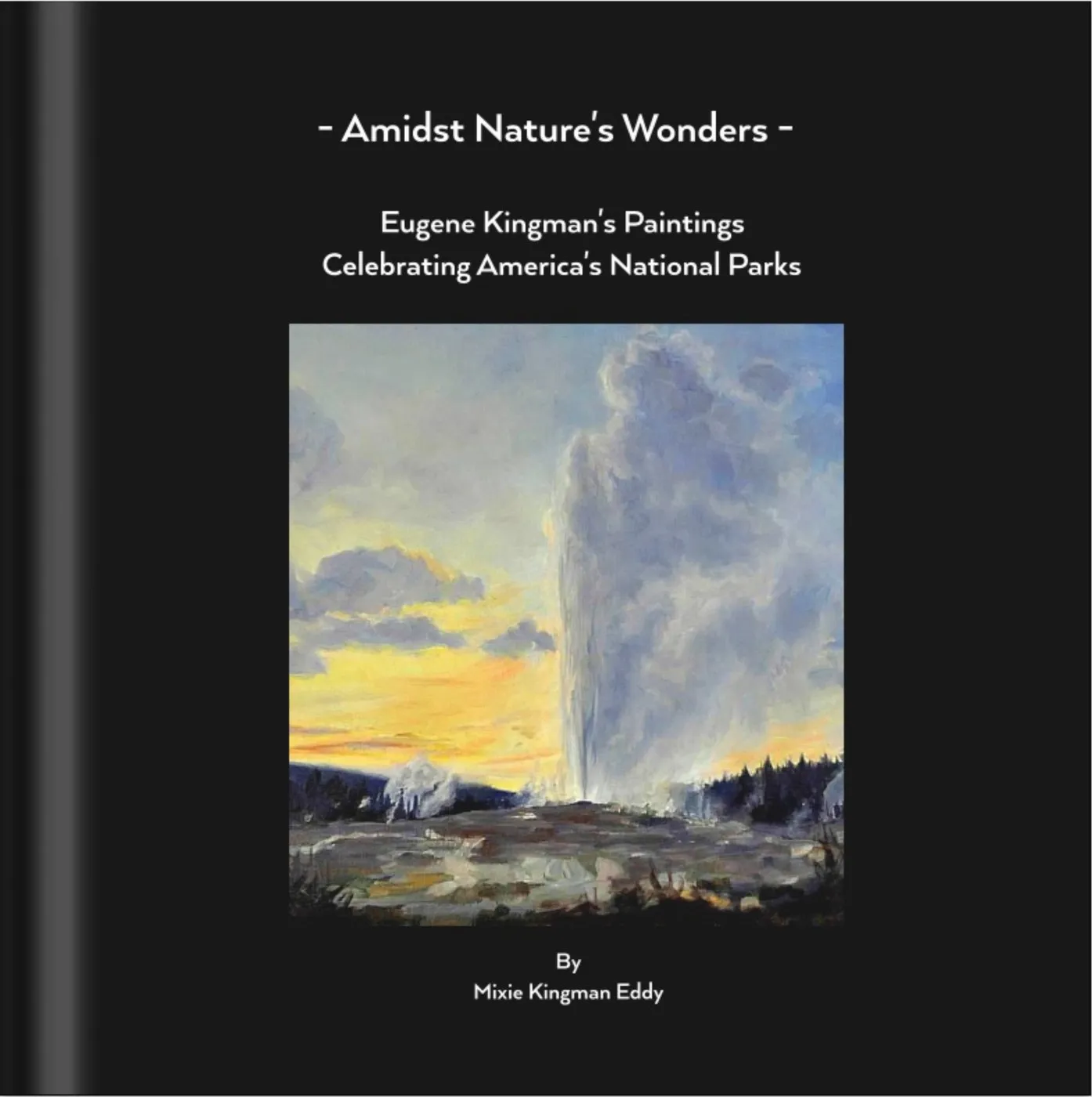
Amidst Nature's Wonders
Mixie Kingman Eddy, 2016
His paintings of the national parks, made for the Park Service centennial.
Ask us about a copy →
-
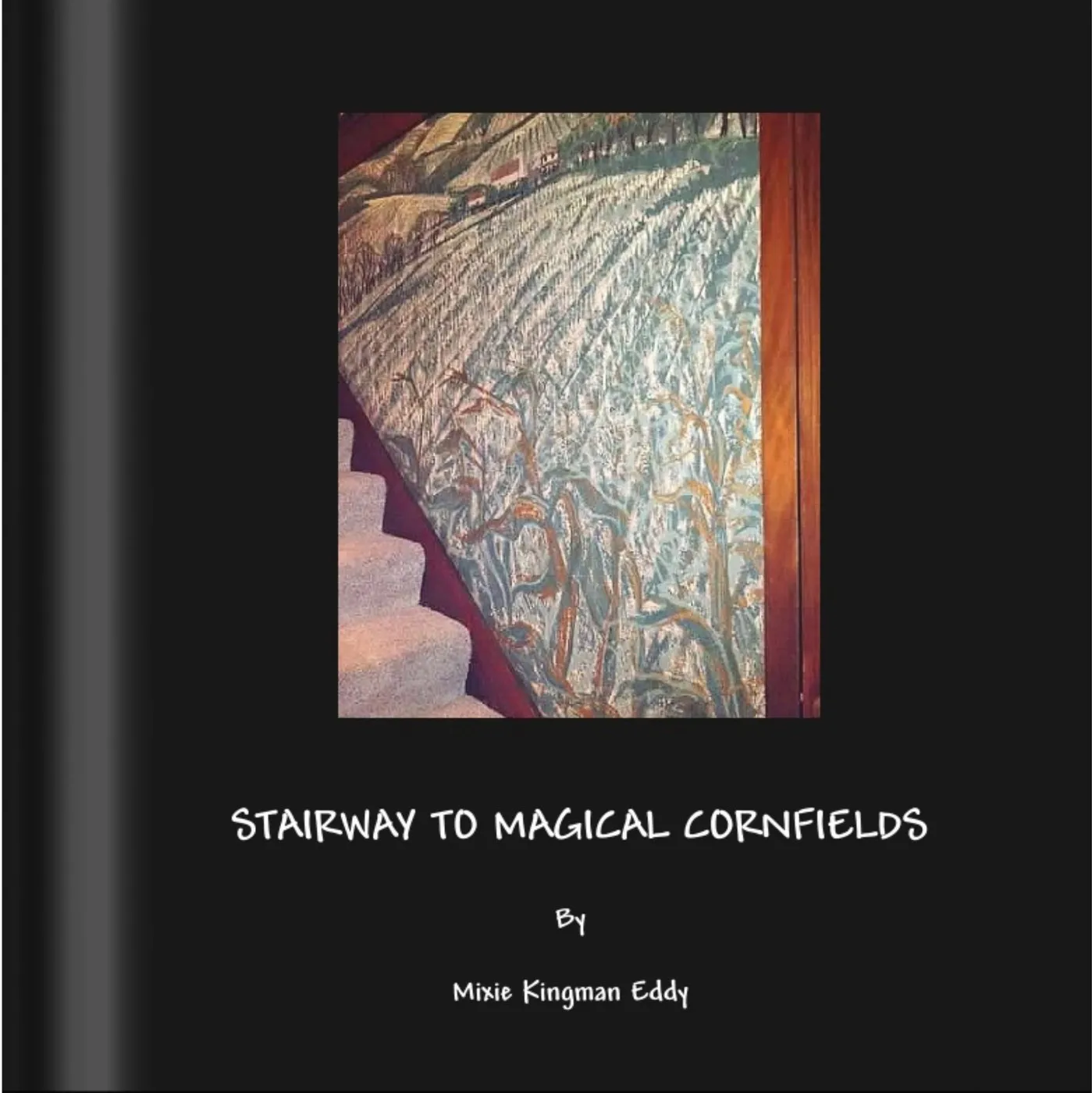
Stairway to Magical Cornfields
Mixie Kingman Eddy
The cornfield Kingman painted up the stairway of the family's house in Omaha.
Ask us about a copy →
-
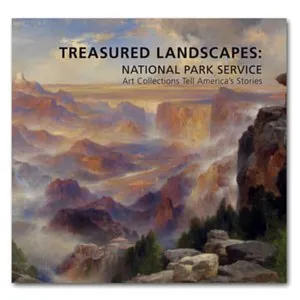
Treasured Landscapes
Joan Bacharach, National Park Service
The Park Service's book on its art collection, with four of his 1931 Paris paintings.
See the online exhibit →
Video · 6 minutes
Kingman's Nebraska
Elizabeth A. Kingman
His daughter's film of the prairie paintings, made with her book of the same name.
All the books, and more in the document library.
“Not a one-time experience ... it never wears thin.”